
InLine Orthodontics and What Patients Should Actually Know
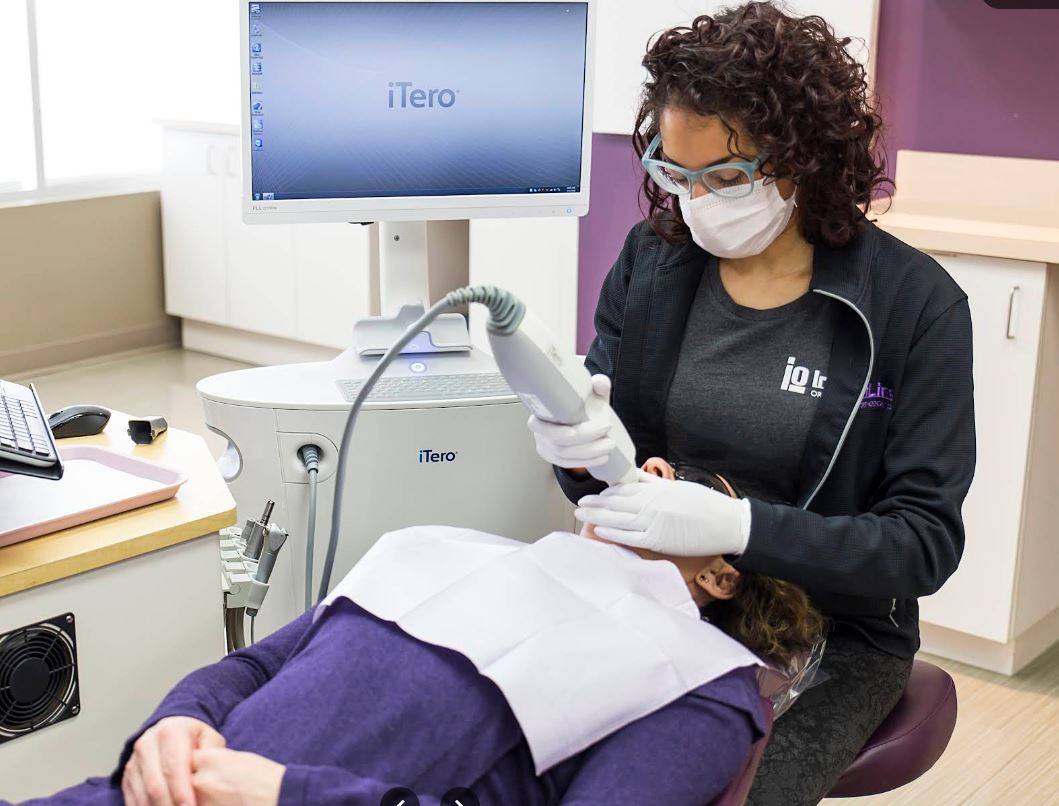
InLine Orthodontics is a Calgary orthodontic clinic dedicated to diagnosing and correcting alignment and bite problems for children, teens, and adults. You do not need a referral to book an appointment. The first consultation is free. They offer direct billing. Those three details are practical, and they remove hesitation at the start. A lot of people delay orthodontics because the process feels unclear before it even begins.
The clinic is led by Dr. Biljana Trpkova, and the focus is specialist orthodontic treatment. That matters because orthodontics is not just about attaching brackets or handing out aligners. It is a controlled medical process that moves teeth gradually while protecting bone, gums, and long-term bite stability.
Orthodontics Is Structural, Not Just Cosmetic
Straight teeth look better. That part is obvious. But orthodontic treatment is also about correcting how the upper and lower teeth meet.
If the bite is uneven, chewing pressure concentrates on specific teeth. Over time, that imbalance can lead to enamel wear, chipping, gum recession, or jaw discomfort. Crowded teeth are harder to clean, which increases the risk of plaque buildup and inflammation. When alignment improves, hygiene becomes easier and force distribution becomes more balanced.
InLine positions orthodontic care around both appearance and function. The goal is not only straight teeth, but a stable bite that works properly.
Early Evaluation for Children
Parents often wonder when to bring their child for an orthodontic evaluation. Waiting too long can limit options. Starting too early without reason can be unnecessary.
InLine discusses early orthodontic assessments to monitor jaw development, spacing issues, and bite problems such as crossbites. In some cases, early intervention using systems like Invisalign First may help create room for permanent teeth and guide growth. Early treatment does not mean completing the entire process in childhood. It means identifying potential problems before they become more complicated.
If early signs of crowding or jaw imbalance are ignored, teenage treatment may require more aggressive correction.
Teen Treatment and Compliance
Teens are common orthodontic patients because most permanent teeth have erupted. Treatment options typically include traditional braces or Invisalign.
Aligners are removable and discreet, which appeals to many teens. But they require consistent wear. If trays are removed too often, progress slows or stops. Braces, by contrast, apply continuous force regardless of daily discipline.
InLine offers both systems. The choice depends on clinical complexity and whether the patient is likely to follow instructions consistently.
Adult Orthodontics
Adults often pursue orthodontics for reasons they postponed earlier. Some want improved aesthetics. Others are addressing functional concerns such as uneven wear or jaw discomfort.
Adult treatment may involve working around crowns, fillings, or past dental work. Bone density and movement patterns differ slightly from adolescents, which may influence treatment timelines. InLine provides options like ceramic braces and Invisalign for adults seeking less visible appliances, while still evaluating whether those options are appropriate for the case.
Treatment Options Available
Traditional Metal Braces
Metal braces remain highly effective for complex cases. They allow precise adjustments and are not dependent on compliance in the same way aligners are. Severe crowding or bite discrepancies often respond well to braces.
Ceramic Braces
Ceramic braces use tooth-colored brackets for a more subtle appearance. They function like metal braces but require careful hygiene to prevent staining. They may also be slightly more delicate, so case selection is important.
Self-Ligating Braces
Self-ligating braces use built-in clips instead of elastic bands. This can reduce friction and simplify adjustments. Some cases may require fewer visits, but consistent monitoring remains essential.
Invisalign Clear Aligners
Invisalign uses a sequence of custom trays to gradually move teeth. The trays are removable, making eating and brushing easier. However, success depends heavily on compliance. If aligners are not worn as prescribed, movement stalls and treatment lengthens.
Selecting Invisalign purely for aesthetic reasons without considering case complexity can lead to compromised results.
The Treatment Process
The orthodontic process typically follows a structured sequence.
First, a consultation identifies alignment issues, bite discrepancies, and patient goals. Second, diagnostic records guide the treatment plan. Tooth movement is mapped carefully to ensure predictable progress.
Active treatment follows, with braces adjusted periodically or aligners changed according to schedule. Progress is monitored closely to ensure teeth are moving as intended.
Finally, retention begins. Retainers maintain alignment after braces or aligners are removed. Teeth naturally shift over time. Without retention, relapse is common.
Common Mistakes During Treatment
One common mistake is focusing only on visible front teeth. Proper bite alignment requires attention to the entire arch.
Another mistake is neglecting oral hygiene. Brackets and aligners create additional surfaces where plaque can accumulate. Without disciplined brushing and flossing, gum inflammation and enamel damage may occur.
Missed appointments can also disrupt treatment. Tooth movement is controlled and scheduled. Delays may extend overall treatment time.
Finally, stopping retainer use prematurely undermines long-term stability. Retention protects the correction achieved during active treatment.
What Happens If Orthodontics Is Not Managed Properly
Incomplete or poorly monitored orthodontic treatment can result in relapse, uneven bite forces, or continued functional problems. Teeth may appear straighter but still lack stability. In some cases, retreatment becomes necessary.
Orthodontics requires planning, monitoring, and follow-through. Each stage builds on the previous one.
Accessibility and Practical Considerations
InLine Orthodontics reduces entry barriers by offering a free initial consultation and removing referral requirements. Direct billing simplifies insurance processing. The clinic operates from Shawville Blvd SE in Calgary with clearly defined office hours.
Orthodontic treatment spans months or years. Convenience, communication, and structured follow-up increase compliance. Compliance directly influences outcomes.
Final Assessment
InLine Orthodontics emphasizes specialist-led care, multiple treatment systems, and a structured approach from consultation through retention. The focus is on individualized planning and long-term stability rather than quick cosmetic fixes.
Orthodontic treatment works when diagnosis is accurate, appliance selection is appropriate, and follow-through is consistent. When those elements align, the result is not only straighter teeth but improved bite function and lasting stability.
Contact us:
InLine Orthodontics
55 Shawville Blvd SE, Calgary, AB T2Y 3P3, Canada
1 403-201-9964
https://inlinebraces.com/